2026-08-31 · Dan Kowalski
Mold Risks Following Flooding in Low-Lying Areas of Howell
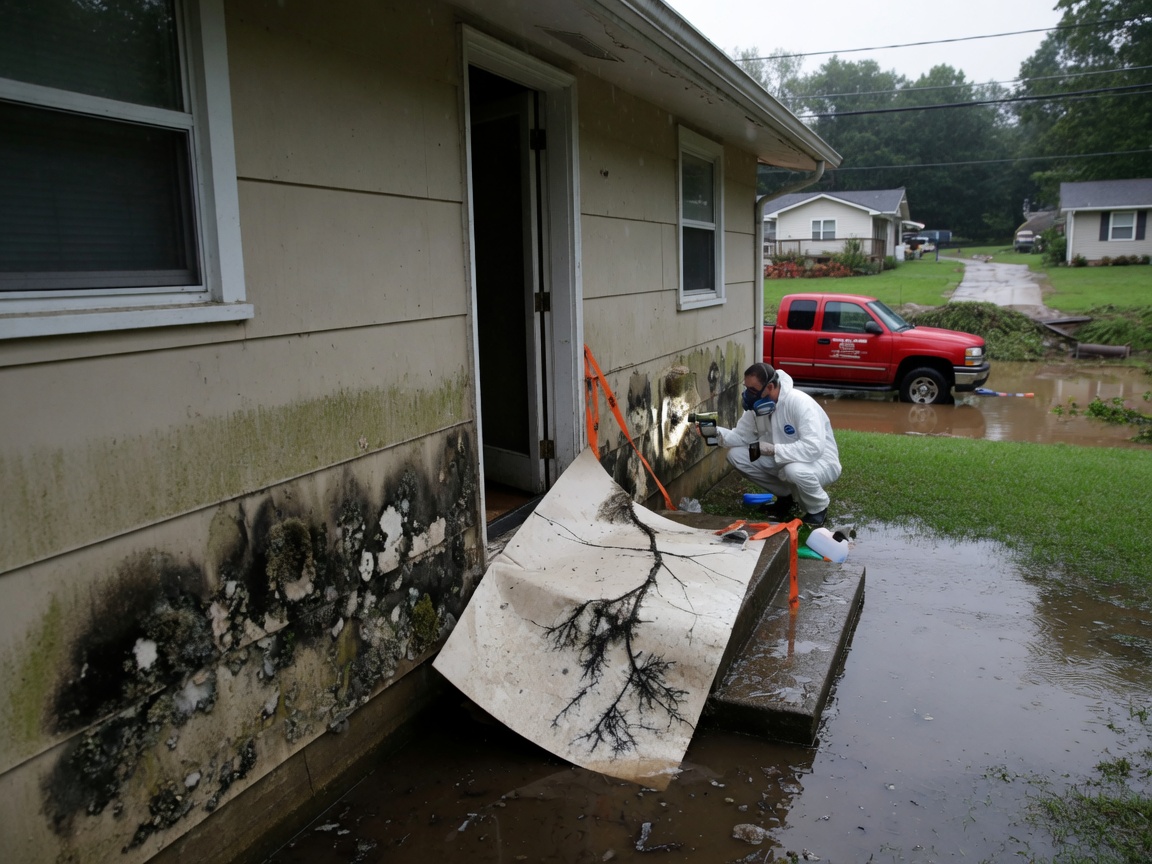
Mold can begin growing within 24-48 hours after floodwaters recede in low-lying areas of Howell such as Adelphia and Squankum. The Monmouth County terrain near Manasquan Reservoir traps moisture in basements and crawl spaces of homes built before 1980, while the humid subtropical climate with hot summers and cold winters slows natural drying and promotes spore spread.
Why Low-Lying Areas Near Manasquan Reservoir Face Higher Mold Risks
Low-lying zones in Adelphia and Squankum sit close to the Manasquan Reservoir and Howell Township Recreation lands, where seasonal runoff from hot summer storms and winter snowmelt pools against foundations. Older homes in these Monmouth County pockets often have porous concrete slabs and limited grading that allow water to linger under flooring. The humid subtropical pattern keeps relative humidity above 60 percent for weeks after flooding, giving mold the moisture it needs even after visible water is gone. Properties along these low spots also see repeated saturation from nearby Freehold and Wall drainage patterns, which compounds hidden growth behind drywall and in insulation. This terrain reality means surface cleaning alone rarely stops the problem.
Timeline for Mold Development in Howell's Climate
After floodwaters enter a Howell basement, visible mold colonies can appear in 24-48 hours when temperatures stay between 70 and 85 degrees during summer months. In colder winter periods, growth slows but hidden spores still colonize within 72 hours once indoor heat raises humidity. The region's frequent afternoon thunderstorms in July and August push moisture back into already damp cavities, extending the window before visible signs show. Homes in Squankum with older lath-and-plaster walls trap water longer than newer builds, allowing mold to advance behind surfaces before homeowners notice musty odors. Prompt extraction within the first day limits spread, but delays common after widespread storms near the reservoir let colonies reach 10 square feet or more inside wall cavities.
Health and Structural Concerns Specific to Monmouth County Flood Zones
Mold exposure in flooded Howell homes can trigger respiratory irritation within days, especially in children and older residents living near Howell Township Recreation trails where pollen mixes with spores. Black mold varieties thrive in the persistent dampness left by reservoir-adjacent flooding, breaking down drywall and wood framing over 2-4 weeks if unchecked. In Adelphia properties with slab-on-grade construction, moisture migrates upward into subfloors, creating hidden rot that weakens joists. Cold winter air outside combined with heated indoor spaces creates condensation cycles that restart growth even after initial drying. These local patterns turn a single flood event into ongoing structural damage that affects resale value in Monmouth County neighborhoods.
Practical Steps to Reduce Mold After Local Flooding
Remove standing water immediately using extraction equipment rated for 50 gallons per minute or faster, then run commercial dehumidifiers set to 45 percent relative humidity for at least 72 hours. Open windows only when outdoor humidity drops below indoor levels, which occurs more often in fall and spring near Freehold. Discard porous materials like carpet padding and insulation that stayed wet longer than 48 hours, and cut away affected drywall at least 12 inches beyond visible mold lines. Monitor moisture meters on studs and subfloors daily until readings stay below 15 percent. Homeowners in Squankum should also check crawl spaces under Howell Township Recreation-adjacent homes where airflow is poor.
When Professional Intervention Becomes Necessary
If mold covers more than 10 square feet or returns within two weeks, contact a Mold Remediation team familiar with Monmouth County water tables. Flood Damage Cleanup crews bring negative-air machines and HEPA filtration suited to older Adelphia homes that lack modern vapor barriers. For properties showing repeated issues after spring rains, review the related guidance in Handling Sewage Backup After Heavy Spring Rains Near Freehold and Cost Factors for Water Extraction in Older Howell Township Properties. Blue Dot Restoration operates Mon–Sun 8am–10pm to handle these time-sensitive situations before mold spreads further into wall systems.