2026-08-31 · Dan Kowalski
What to Do After a Nor'easter Floods Your Howell Basement
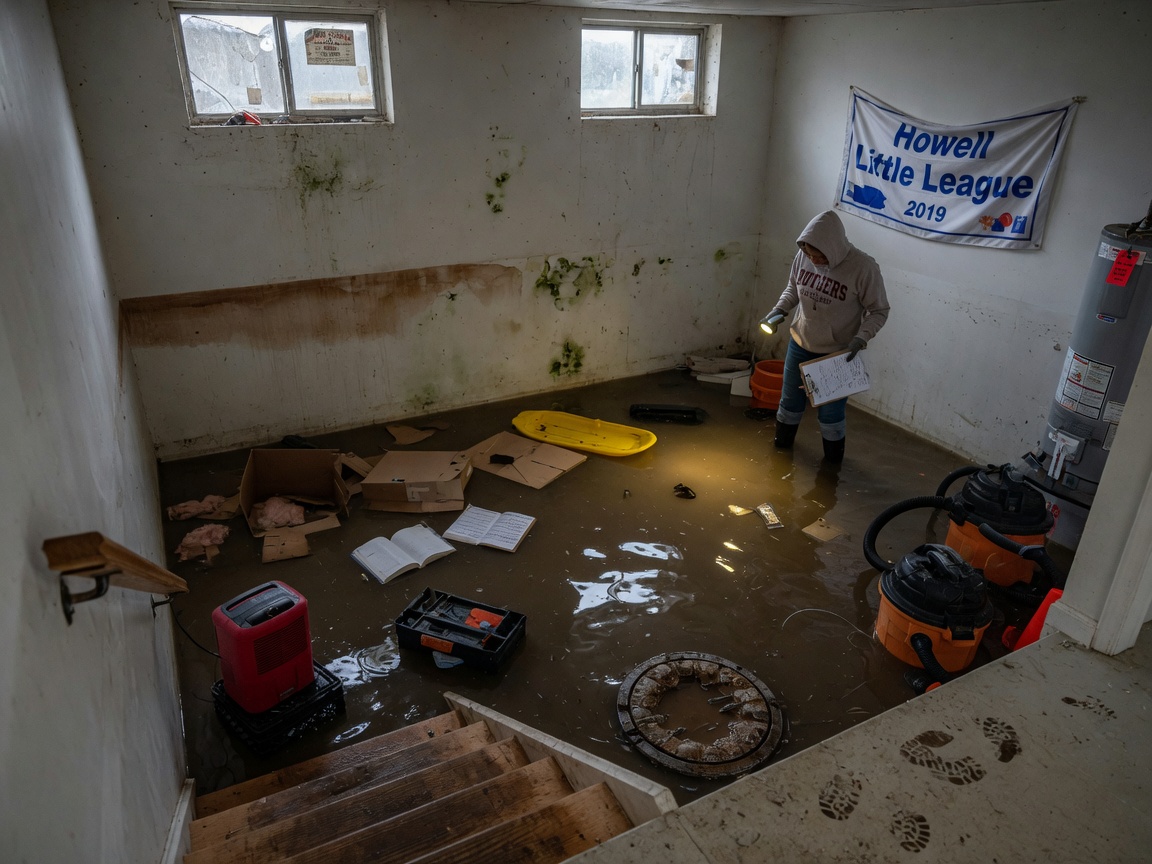
After a Nor'easter floods your Howell basement, shut off electricity at the main panel if water reaches outlets, then remove standing water within 24-48 hours and begin drying to stop mold growth in the humid subtropical climate.
Prioritize Safety and Initial Assessment
Nor'easters bring sustained winds and 3-6 inches of rain that overwhelm Howell's older homes in Adelphia and Squankum, where many basements sit below the water table near Manasquan Reservoir. Start by turning off power and gas if water contacts any electrical lines. Wear rubber boots and gloves because floodwater often mixes with sewage from overloaded systems in Monmouth County. Walk the perimeter and note how far water climbed on walls, then photograph everything for insurance. Cold winter temperatures after the storm can freeze surface water and make surfaces slippery, so clear a safe path before deeper work begins. Homes near Howell Township Recreation fields often see runoff from saturated fields add to the volume, extending the time water lingers.
Remove Standing Water Quickly
Standing water in a Howell basement after a Nor'easter needs extraction before it seeps into concrete or framing. Use a wet vac or submersible pump rated for at least 1,000 gallons per hour on the first pass, then repeat every few hours as groundwater continues to seep in. Properties along Route 9 and in Squankum frequently have clay-heavy soil that slows drainage, so plan for multiple rounds. Avoid pushing water toward floor drains that may already be backed up from the storm. Emergency water extraction crews familiar with Monmouth County conditions bring truck-mounted units that handle the volume faster than consumer equipment. Work during daylight when possible because power may remain unstable after high winds.
Dry and Dehumidify Thoroughly
Once visible water is gone, focus on drying the structure before mold sets in, which can begin in 24-48 hours under Howell's humid conditions. Place commercial dehumidifiers rated for 70-pint daily removal in each corner and run them continuously for at least 5-7 days. Aim for indoor humidity below 50 percent while monitoring with a digital meter. Open windows only when outdoor air is drier and colder than inside air, which is common after winter Nor'easters. Older plaster and lath walls in Freehold-adjacent homes absorb more moisture than modern drywall, requiring longer drying times. Basement water damage repair teams use moisture meters to confirm wall cavities reach safe levels before closing them up.
Handle Contamination and Mold Risks
Nor'easter floodwater in Howell often carries bacteria from nearby fields and roads, especially near the Manasquan Reservoir watershed. Discard porous items like carpet padding and insulation that stayed wet longer than 48 hours. Clean hard surfaces with a detergent solution followed by a disinfectant, then rinse. Watch for musty odors in the days after drying as a sign hidden mold is growing behind baseboards. Cost factors for water extraction in older Howell Township properties outlines how age of the home affects the scope of hidden damage. If sewage smell appears, treat the space as contaminated and limit access until tested.
Plan Long-Term Protection
After cleanup, examine grading around the foundation and extend downspouts at least 6 feet from the house to reduce future Nor'easter flooding. Install a battery backup sump pump if the home relies on one near Squankum or Adelphia, where power outages are common during winter storms. Check caulking around basement windows and doors before the next cold snap. Handling sewage backup after heavy spring rains near Freehold shares similar lessons that apply after winter events. Blue Dot Restoration remains available Mon–Sun 8am–10pm for follow-up questions on drying verification or repairs specific to Monmouth County homes.