Howell's humid subtropical climate brings hot summers with sudden thunderstorms and cold winters that often deliver nor'easters, both of which push water into basements and crawl spaces faster than many homeowners expect. Properties near Manasquan Reservoir or Howell Township Recreation land sit on slightly lower terrain where runoff collects, making hidden saturation in sill plates and rim joists a common finding after even moderate events. Older housing stock in Squankum and Adelphia frequently features fieldstone foundations and unvented crawl spaces that trap moisture long after the rain stops, requiring targeted drying rather than surface-level fans.
When storms hit Freehold or Wall borders, wind-driven rain often forces water past window flashing and roof valleys on 1970s–1990s split-levels that dominate the township. We see repeated failures at the intersection of vinyl siding and brick veneer where sealant has dried out, allowing water to travel behind the sheathing and into insulation. Code requirements in Monmouth County now call for vapor barriers in any repaired crawl space, so we document existing conditions before work begins to avoid later inspection issues.
Storm Damage Restoration Near You — Choose Your City
Every city below has its own local Storm Damage Restoration page with coverage details.
Edge cases include ice dams along north-facing rooflines after January thaws and hidden mold growth in HVAC returns that pull air from flooded basements. These jobs require separating affected duct sections early and running separate drying zones to keep spores from migrating through the home. Terrain around the reservoir also means higher water tables, so exterior grading checks are part of every post-storm inspection.
Technician insight
In Howell, the thing that catches most people out with Storm Damage Restoration is how quickly water travels under the slab in Squankum homes built before modern vapor barriers; a nor'easter can saturate subflooring from the reservoir side while the basement looks dry, so we always pull baseboards and check with meters on the first visit.
Squankum Nor'easter Basement Intrusion
Heavy rain from a winter storm pushed water through an old fieldstone foundation on a Squankum property. We found saturation extending under the laundry room slab and into the HVAC closet. Extraction and targeted drying prevented mold growth in the ducts; the homeowner returned to a dry, usable lower level within five days.
Storm Damage Restoration Services We Offer
✓Emergency Board Up Services
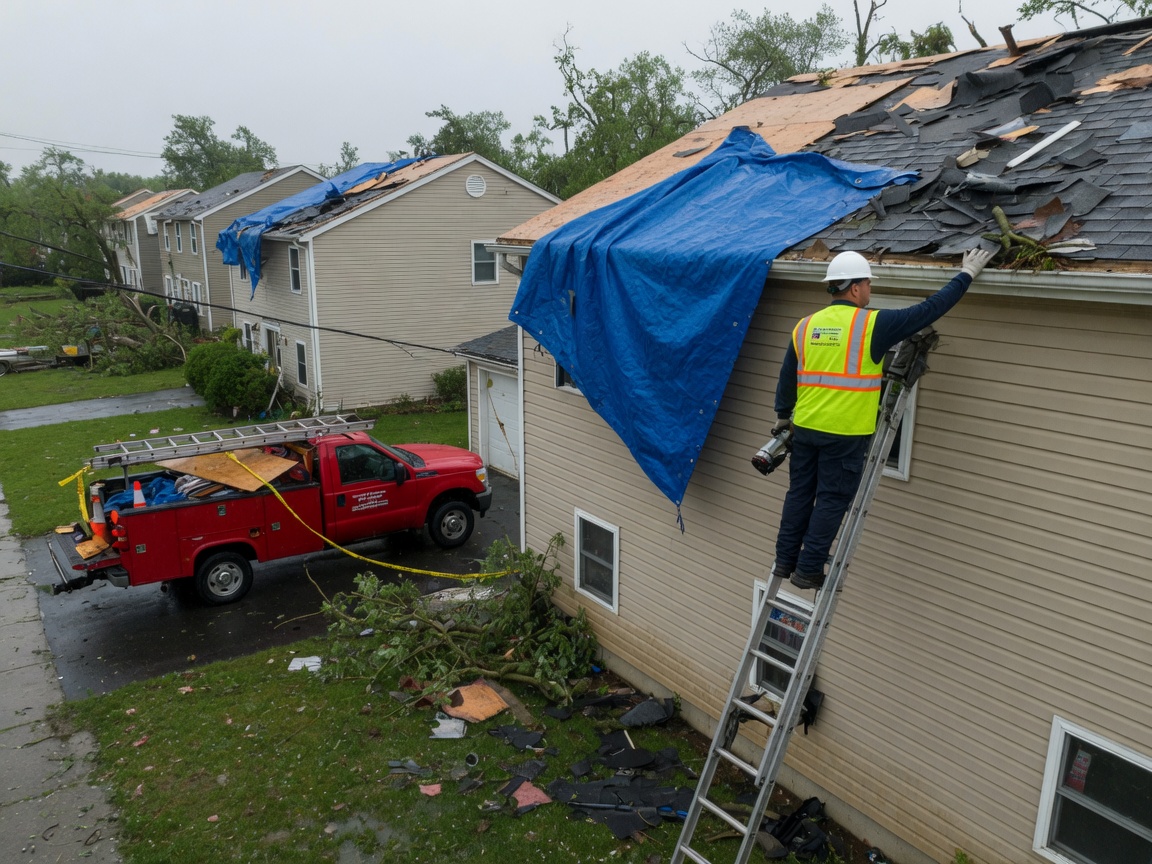
Secure openings from wind-blown debris or fallen trees to prevent further water entry on Howell homes after storms.
✓Storm Water Extraction
Remove standing water from basements and crawl spaces common in Squankum after heavy rainfall or reservoir overflow.
✓Roof Leak Drying and Repairs
Address wind-driven rain penetration through older roofing on Adelphia split-levels before hidden saturation spreads to ceilings.
✓Basement Flood Restoration
Extract, dry, and sanitize lower levels in homes near Howell Township Recreation where runoff pools during nor'easters.
✓Post-Storm Mold Prevention
Apply antimicrobial treatments and improve ventilation in damp crawl spaces to stop growth after Monmouth County winter storms.
✓Structural Drying and Dehumidification
Deploy commercial equipment to pull moisture from insulation and framing in older Squankum homes before it affects electrical systems.
Storm Damage Restoration Cost in New Jersey
| Service | Typical Range | What Affects It |
|---|---|---|
| Initial Assessment | Free | During Mon–Sun 8am–10pm hours |
| Water Extraction | $600–$1,800 | Varies with volume and access in older foundations |
| Full Structural Drying | $800–$2,200 | Depends on number of rooms and equipment runtime |
| Mold Prevention Treatment | $350–$750 | Applied after drying in humid crawl spaces |
Ranges are typical for New Jersey and confirmed with an exact written quote before any work starts.
How it works
- 1
Initial Safety and Assessment
Check for structural concerns and electrical hazards, then document water intrusion points specific to the home's location in Howell.
- 2
Water Removal
Extract standing water from affected areas using pumps suited to the volume found in local basements and crawl spaces.
- 3
Drying and Monitoring
Place air movers and dehumidifiers, then track moisture levels in walls and floors until readings return to normal for the climate.
- 4
Restoration and Final Check
Repair or replace damaged materials and verify the home meets local standards before returning it to use.
Pricing
Costs depend on square footage affected, depth of water, and whether hidden damage requires opening walls or floors.