2026-08-31 · Dan Kowalski
Foundation Crack Repairs Triggered by Water in Monmouth County
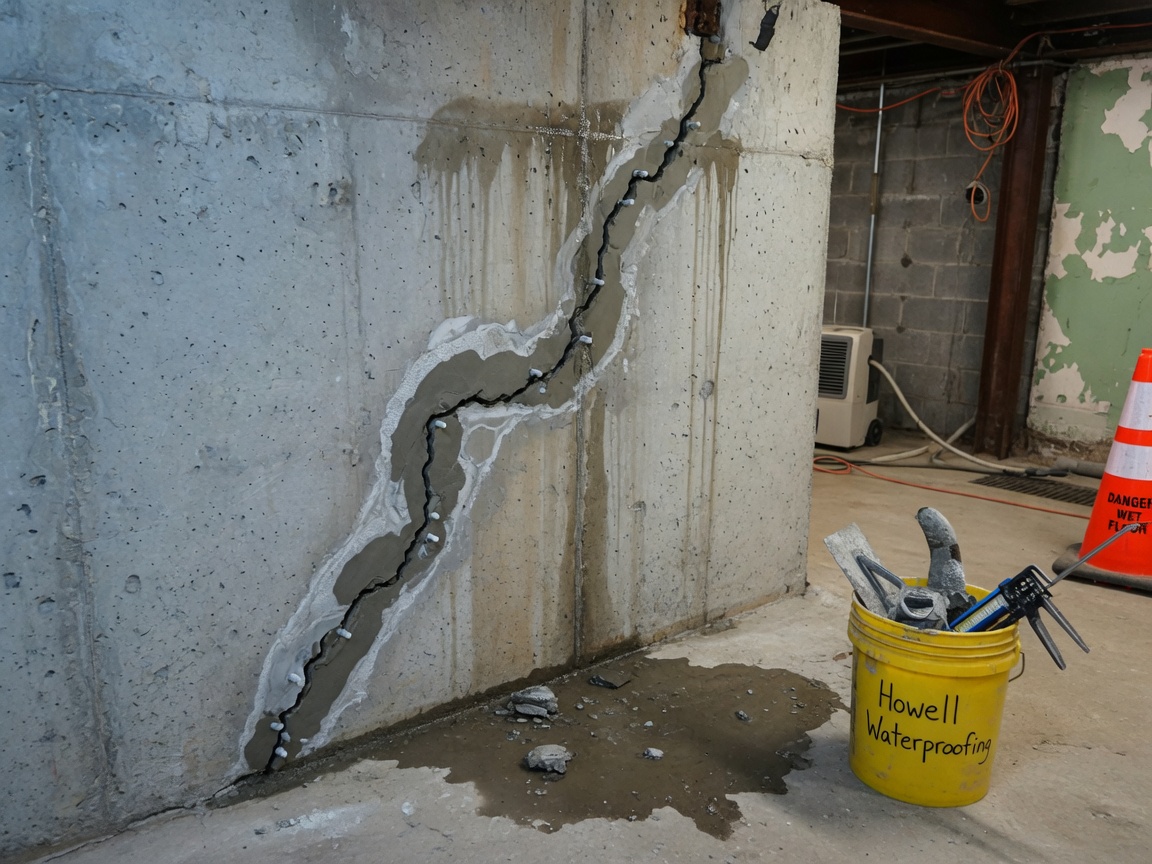
Water intrusion from summer storms and winter freeze-thaw cycles commonly triggers foundation cracks in Monmouth County homes, particularly in Howell neighborhoods like Adelphia and Squankum where many properties sit on clay-heavy soils near the Manasquan Reservoir. In these areas, excess moisture expands soil pressure against foundations during hot summers, then contracts during cold winters, widening hairline fissures into structural concerns that require prompt attention to avoid basement water issues.
Water Sources Driving Cracks in Howell Foundations
Howell properties built decades ago often face hydrostatic pressure from poor drainage around Howell Township Recreation fields and nearby Freehold borders. Heavy rainfall saturates the ground, pushing against basement walls and creating vertical or horizontal cracks. Winter temperatures dropping below freezing cause water in those initial fissures to expand, accelerating damage. Homes in Squankum see this pattern more due to slightly lower elevations that retain moisture longer than higher terrain near Wall. Addressing the water source first, such as through targeted extraction, stops the cycle before cracks worsen.
Identifying Crack Types and Severity Locally
Vertical cracks under 1/8 inch often stem from settling but widen with repeated water exposure in humid subtropical conditions. Horizontal cracks signal serious pressure from saturated soils common around the reservoir. Diagonal cracks near corners appear after storms when water pools against foundations in older Adelphia homes. Inspect during spring thaws when cold winters have stressed the concrete most. Measure width changes over weeks and note any efflorescence, which indicates ongoing moisture movement through the wall.
Step-by-Step Repair Approach for Water-Triggered Cracks
Begin by directing water away using French drains or grading adjustments suited to Monmouth County clay soils. For active leaks, pair repairs with basement water damage repair to handle interior moisture. Inject epoxy or polyurethane into cracks after drying the area thoroughly. In severe cases spanning multiple walls, install carbon fiber straps to stabilize before sealing. Work during drier months between hot summers and cold winters for best material cure times. Always excavate exterior soil if cracks exceed 1/4 inch to relieve pressure at the source.
Long-Term Prevention Tied to Local Conditions
Install sump pumps with battery backup in Squankum homes prone to reservoir-adjacent flooding. Extend downspouts at least 6 feet from foundations to counter heavy summer rains. Regrade yards sloping away from the house, especially near Howell Township Recreation areas where runoff collects. Schedule annual inspections before winter to catch early fissures. For extraction after storms, review cost factors for water extraction in older Howell Township properties to plan budgets. These steps reduce recurrence in the county's variable climate.
When to Call Local Experts for Assessment
Contact a Howell-based team available Mon–Sun 8am–10pm if cracks show movement or water seepage after rain. They evaluate soil conditions specific to Adelphia versus higher Freehold elevations and recommend fixes that match actual water patterns rather than generic solutions. Early intervention limits mold risks and preserves structural integrity across Monmouth County homes exposed to both heat and freeze cycles.